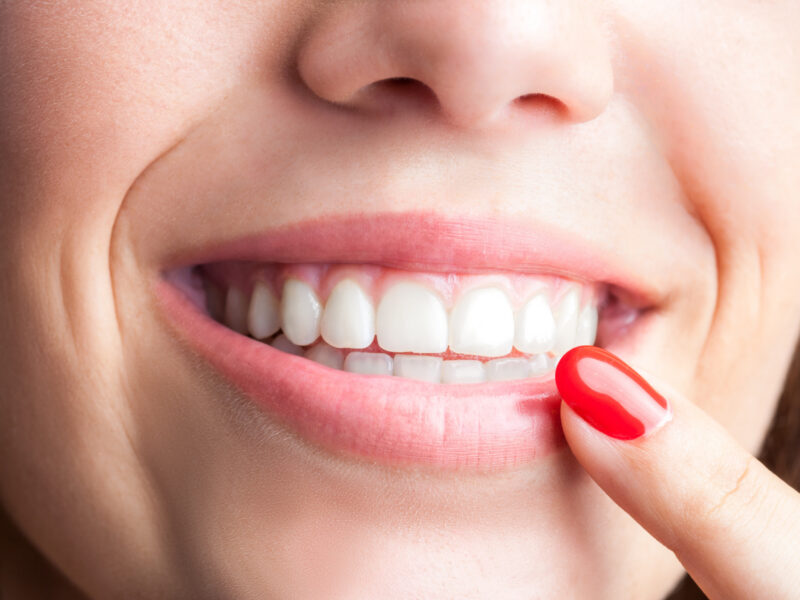
A slight gap between front teeth can look charming in photos. A crossbite that shifts the jaw a few millimeters might not bother you at age 15. But over time, spacing and misalignment carry a quiet cost. Food packs into spaces and irritates gum tissue. Crowded teeth hide plaque that a brush cannot reach. Enamel wears unevenly, and the jaw compensates with clenching. The cosmetic concerns are real, yet the health implications often run deeper than a smile in the mirror.
That is why a well planned treatment in Oxnard does more than close a gap. It aligns the bite so your teeth touch where they should, distributes chewing forces across stronger areas, and prevents the slow march toward chipping, recession, and sensitivity. A cosmetic dentist Oxnard residents trust is not thinking only in shades and shapes, but in joints, gum health, and how your smile will age over ten or twenty years.
What counts as a gap or misalignment
Spacing, diastema, crowding, rotations, crossbites, open bites, and deep bites are common patterns. They sit on a spectrum from mild, where two front teeth are a couple of millimeters apart, to complex skeletal discrepancies with asymmetry and a mismatch between the upper and lower jaws. Many adults in Ventura County walk around with a mix of issues: a narrow upper arch that causes a shadowy smile, one canine that rotates thirty degrees, an edge to edge bite on the front teeth that leads to notching, and gaps that collect stringy foods.
Correcting gaps and misalignment can be fast or gradual, cosmetic or comprehensive, depending on the combination you have and the outcome you want. The right plan fits your mouth, not a generic workflow.
How a cosmetic dentist evaluates your bite
In a first visit, expect more than a glance and a price. A thorough cosmetic evaluation in Oxnard usually includes high resolution photos, digital X rays, and a scan to build a 3D model of your teeth and bite. Many practices also use a simple muscle and joint screening to see whether your jaw joints click, lock, or feel tender. Gum probing, even if quick, matters because veneers or bonding on inflamed tissue usually fail early.
This is where a seasoned dentist marries the cosmetic wish list with biology. If you have gaps because your teeth are small relative to the jaw, closing them only with aligners may work. If the gap exists because your tongue thrusts forward or a frenum pulls the tissue, a retainer and a brief soft tissue procedure may be required. If your front teeth look short due to excess gum display, reducing gum tissue with a laser and adding porcelain to lengthen the teeth can create balance that simple orthodontics cannot.
The visit should feel like an interview both ways. A Dentist Oxnard patients return to year after year will ask about the grind of your workday, your history of clenching, whether you sip citrus drinks, and what you want to see when you smile. Those details shape choices between additive treatments like bonding, reductive ones like contouring, and movement based approaches like aligners or braces.
Treatment paths that reliably fix spacing and misalignment
There is no single best procedure. The art lies in matching goals, biology, and time horizon.
- Clear aligners. A series of custom trays, changed weekly or biweekly, that move teeth in small steps. Treatment often runs 6 to 18 months for mild to moderate crowding or gaps. The advantages are obvious: nearly invisible, removable for meals, fewer office visits. The trade offs include the need for diligent wear, tiny tooth colored attachments that help grip teeth during movement, and the possibility of refinements at the end to dial in perfect contacts. In experienced hands, aligners can rotate canines, expand arches slightly, and close generalized spacing. For severe rotations or big vertical changes, braces still outperform. Limited fixed braces. Small ceramic brackets blend well and can move teeth more predictably in complex situations. Short focused cases, 4 to 9 months, can correct a single rotated tooth or a stubborn crossbite more efficiently than aligners. For adults who want speed and control, and who can accept brackets for a season, this tool remains powerful. Porcelain veneers. Thin shells bonded to the front of teeth can close limited gaps, widen narrow teeth, mask rotations, and create the illusion of perfect alignment in two visits. Veneers deliver instant symmetry and color stability for 10 to 15 years on average when well designed and maintained. The trade offs are cost, tooth preparation that is often minimal but not zero, and the need to manage bite forces so the porcelain lives a long life. Composite bonding. Tooth colored resin layers can close black triangles near the gumline, widen small teeth to close gaps, and create a straighter look without moving roots. Bonding is more affordable and reversible, which makes it a good option for younger patients or those testing a new smile. The resin can stain and chip over time, especially in heavy coffee or red wine drinkers, but many people enjoy years of natural looking results with periodic polishing and spot repairs. Enameloplasty and reshaping. Gentle smoothing of enamel edges can balance a smile line, make slightly rotated teeth appear straighter, and reduce small interferences in the bite. The key is restraint. Remove too much, and sensitivity or weakened enamel follows. Done properly, the change is invisible to others, but you feel your teeth glide more easily. Gum contouring and tissue management. For gaps tied to triangular tooth shapes and receded papillae, adjusting gum architecture with a soft tissue procedure can help close the visual space. In some cases, small grafts thicken tissue so that the gum fills space more fully between teeth. This is technical and requires careful case selection, yet it can break stalemates where teeth and veneers alone cannot satisfy.
A cosmetic dentist Oxnard patients rely on will often blend methods. A short course of aligners to position teeth, followed by two or four veneers to fine tune shape and shade, can give a natural result that holds up under chewing and aging.
What real treatment looks like day to day
Two brief stories show how choices play out.
A 34 year old project manager from the Port Hueneme area had a 2 millimeter gap between her front teeth and small lateral incisors that made the front four look uneven. She wanted a change before a fall wedding, ten months away. The dentist used aligners for five months to bring the front teeth into a clean arch, then placed two ultra thin porcelain veneers on the lateral incisors. The gap closed by movement, not with porcelain, so the roots now touch and the contact is stable. The veneers added width where it was missing. She wears a clear retainer at night, which also protects against nighttime clenching. Total chair time was about five hours across the case, with six short visits.
A 57 year old teacher from Oxnard had old bonding between his lower front teeth that stained and chipped every year. He also had a mild crossbite that caused chipping on his upper central incisor. Instead of redoing the bonding for the fifth time, the dentist recommended limited ceramic braces for seven months to correct the crossbite and close the lower spaces, then a tiny bit of edge smoothing and a single porcelain veneer to rebuild the chipped upper tooth. He now brushes and flosses normally without snagging the floss on rough resin. The veneer has not chipped in three years because the crossbite no longer pounds it.
Both cases show a pattern. Movement buys you stability. Additive materials refine the final look. A night retainer preserves the work.
Timelines, cost ranges, and what influences both
People often ask for a price per tooth or per month, but the spread is wide because biology and choices vary. In Ventura County, typical ranges look like this:
Clear aligners for mild to moderate spacing or crowding often fall between 3,000 and 5,500 dollars. Complex movements, refinements, and additional attachments push to the higher end. Limited braces cases run about 3,000 to 6,000 dollars for adults. Porcelain veneers usually range from 1,200 to 2,200 dollars per tooth, with master ceramist work at the upper tier. Composite bonding might cost 250 to 600 dollars per tooth depending on complexity and artistry. Gum contouring can range from 300 to 1,200 dollars per site, more if grafting is involved.
Insurance for adults rarely covers veneers or bonding. It may contribute to orthodontic treatment, especially if your plan includes adult orthodontic benefits, but many have lifetime caps between 1,000 and 2,000 dollars. A family dentist Oxnard residents see for routine care will often offer in house plans or third party financing that spread payments over 6 to 24 months. Ask early so you can time treatment phases around open enrollment, HSA contributions, and flexible spending accounts.
Time adds its own constraints. If you have an event in three months, veneers or bonding provide speed. If you crave the healthiest long term result and can invest a year, aligners or braces lay the foundation. Some combine the two: early orthodontic movement, a short pause to place final restorations, then a retainer. Good planning aligns the calendar with your goals.
Choosing the right dentist in Oxnard
There are many ways to find the best dentist Oxnard can offer for this type of work, and glossy photos alone do not tell the whole story. Look for three signals.
First, the consultation should start with listening. A skilled cosmetic clinician asks how your teeth function, what you dislike, what you have tried, and how you make decisions. Second, you should see evidence of careful planning, such as a digital smile design, a wax up you can try in, or at least a detailed mock up with photos that show options. Third, the dentist should be comfortable saying no. If a star shaped gap is better closed with orthodontics than with porcelain, you should hear that, even if it means a smaller immediate procedure.
Ask to see before and after cases similar to yours, not only full mouth makeovers but specific fixes for gaps or mild crowding. Ask how they monitor bite forces after cosmetic work. Inquire about emergency protocols if a veneer chips on a Friday afternoon, and how they handle warranty or touch ups. A dentist who owns those details will own your outcome.
What the first month feels like
Many adults worry the first steps will be painful or disruptive. In practice, discomfort is modest and temporary when treatment is planned well.
With aligners, the first day brings pressure, not pain. Attachments look like small bumps that blend into the tooth. Speech usually normalizes within 24 to 48 hours. You remove the trays for meals, brush, and snap them back in. Smart tips make life easier: switch to a new tray at bedtime so you sleep through https://omnidentalspecialty.com/ the tightest hours, keep a small travel case in your bag so trays do not end up in a napkin at a restaurant, and rinse with cold water if the trays feel dry.
With veneers and bonding, temporary restorations often last a week or two while the lab builds your final porcelain. You might feel mild temperature sensitivity that calms with a sensitive toothpaste. The seat appointment tends to be long but comfortable, with breaks for you to sit up and check the look in natural light. A meticulous fit and polish pay dividends later, because plaque accumulates more slowly on glass smooth surfaces.
With braces, soft tissue irritation peaks in the first week. Orthodontic wax becomes your friend. Warm saltwater swishes help sore spots heal. Chew softer foods the first few days, then return to normal.
Trade offs and edge cases
Not every option suits every mouth. A few patterns come up repeatedly.
Large black triangles at the gumline often follow adult orthodontics in patients with triangular tooth shapes. If your roots move close together but the gum does not fully fill the space, no amount of extra aligner wear will change the shape of the papilla. This is where composite bonding to square off the contact area, or selective IPR to change tooth contours during alignment, creates a better outcome.
A midline diastema with a tight labial frenum tends to reopen without a retention plan. A simple frenectomy by a trained provider combined with fixed or removable retention can stabilize the result. Your provider should point this out before treatment starts.
Patients with parafunction, frequent clenching or grinding, break things. If you often wake with tight jaw muscles or have wear facets on your molars, factor in a night guard or a reinforced retainer. Porcelain survives when the bite is managed. It chips when the bite is ignored.
Smokers and dry mouth patients face higher bonding failure rates. Resin needs a clean, well hydrated field to seal properly. Disclose tobacco use and any medications that cause dry mouth so your dentist can adapt, perhaps choosing porcelain over resin or staging short appointments to maintain isolation.
Teens and young adults with growth remaining benefit from early orthodontic evaluation. Moving teeth too early or with an unstable bite can backfire. A family dentist Oxnard parents trust will time treatment to growth patterns, sometimes recommending simple interceptive steps that prevent crowding later.
The bite matters as much as the smile
It is easy to fixate on the front six teeth, but how they contact the lowers is the long term determinant of success. A minor deep bite will chip the edges of the new veneers if you do not open the vertical slightly or contour interfering edges. A crossbite that stays untreated will overload a single incisor and cause recession. Cosmetic dentists who train in occlusion talk about anterior guidance and canine rise, which are technical terms for how your jaw glides off the front teeth during side movements. Get this right, and porcelain lasts. Get it wrong, and you will be back for repairs.
I have adjusted many sets of beautiful veneers done elsewhere that chipped not because of bad porcelain, but because the bite allowed the lower incisors to collide with the back of the uppers during a side chew. A ten minute reshaping of enamel, barely perceptible, relieved the interference and ended the cycle. Do not be shy about asking your provider to show you how your teeth move on a model and where the new contacts will be.
A practical comparison of common options
- If you want the most conservative path and can wait, clear aligners or limited braces move teeth without altering enamel. Results take months, but they respect biology and set you up well for later refinements if desired. If you want a faster aesthetic change and have small or worn teeth, porcelain veneers reshape and brighten in weeks. You accept maintenance over the years and a higher upfront cost in exchange for immediacy and control over color and form. If you are testing a new look or have a budget ceiling, composite bonding closes spaces and smooths edges with minimal commitment. You gain reversibility, but you accept the likelihood of touch ups every few years. If gum levels and tooth proportions are the main issue, a blend of gum contouring and limited veneers creates harmony that movement alone cannot. If your bite is unstable, plan to correct it first. Cosmetic layers placed on a bad bite tend to fail, regardless of material or technician skill.
Aftercare that protects your investment
- Wear your retainer as directed, typically nightly. Even small movements can reopen a gap in months. Use a soft brush and low abrasion toothpaste. Resin and porcelain both scratch, which accelerates staining. See your hygienist every 3 to 4 months the first year after cosmetic work. Early plaque control protects margins and papillae as tissues adapt. Address clenching with a night guard if you see new wear marks or wake with tight muscles. Avoid tearing or cracking foods with front teeth, especially in the early months after veneers or bonding. Cut apples, crusts, and jerky into smaller bites.
Local considerations in Oxnard
Coastal living has a few quirks for dental work. The Ventura County diet includes citrus, wine, and coffee in many routines. Citrus and wine soften enamel temporarily, so brushing right after a tasting can abrade tooth surfaces. Rinse with water first, then brush 20 to 30 minutes later. Coffee and red wine stain composite faster than porcelain, so if you rely on bonding to close gaps, plan on periodic polishing. Surfers and swimmers who spend hours in chlorinated pools or enter the ocean daily can experience dry mouth and calculus buildup along lower front teeth. This does not conflict with cosmetic work, but it makes regular hygiene visits and home care consistency more important.
Local traffic and long workdays also favor treatments that minimize office time. Many Oxnard practices now use remote monitoring for aligners, where you send scan photos from home every week or two. This reduces in person visits while keeping teeth on track. Ask if your Dentist offers this service and whether it suits your case.
What success looks like two years later
A great result feels like nothing at all. You chew without thinking. You do not notice cold water or hot soup. You floss in ten seconds without snagging. Your upper front teeth overlap the lowers by a millimeter or two, which protects their edges during side chewing. Your retainer sits in a nightstand and slides in automatically at bedtime. At hygiene visits, the team notes pink, tight gums and hardly any plaque along the edges of your restorations. You have a few coffee stains that polish away in minutes. You have forgotten which teeth are veneers unless you look at the original photos.
The path to that quiet success is not complicated, but it is deliberate. Pick the right tool for your specific gap or misalignment. Respect the bite. Protect the work. If you need help deciding, start with a consultation. Bring a few photos of your smile from five or ten years ago. Tell the story of your teeth, including past orthodontics, grinding, and what foods or habits seem to chip them. The best dentist Oxnard patients can find will translate that story into a plan that holds up.
Final thoughts for anyone considering treatment
Fixing a gap or a crooked edge is not vanity. It is part of taking care of the system that lets you eat, speak, laugh, and show up with confidence. Cosmetic dentistry blends art and engineering. Done well, it looks natural at conversational distance and feels comfortable under chewing load. Whether you lean toward aligners, porcelain, or a conservative polish and bonding, find a cosmetic dentist Oxnard community members recommend for both esthetics and function. A family dentist Oxnard families already trust for cleanings and checkups may also offer these services or will refer you to a colleague who does. Either way, the goal is the same. A smile that fits your face, a bite that spares your teeth, and a result that still looks right a decade from now.
Omni Dental Specialty
Address: 1690 E Gonzales Rd, Oxnard, CA 93036
Phone number: +18053666000
FAQ About Dentist Oxnard
How much do dentists make in Oxnard CA?
The average salary for a dentist is $249,857 per year in Oxnard, CA.
How much does dental cost in the USA?
Preventive dental care may include basic cleaning and polishing, which can cost up to $109. Basic care may include fillings, which can cost up to $217 for a resin-based composite filling. Major dental procedures may include root canals , dentures , even dental implants , which can cost thousands of dollars.
What is the 50-40-30 rule in dentistry?
In dentistry, the 50-40-30 rule is primarily a cosmetic smile design guideline used by dentists and orthodontists to craft natural-looking, symmetrical, and balanced upper front teeth.